How to begin Nature Journaling for young children ?

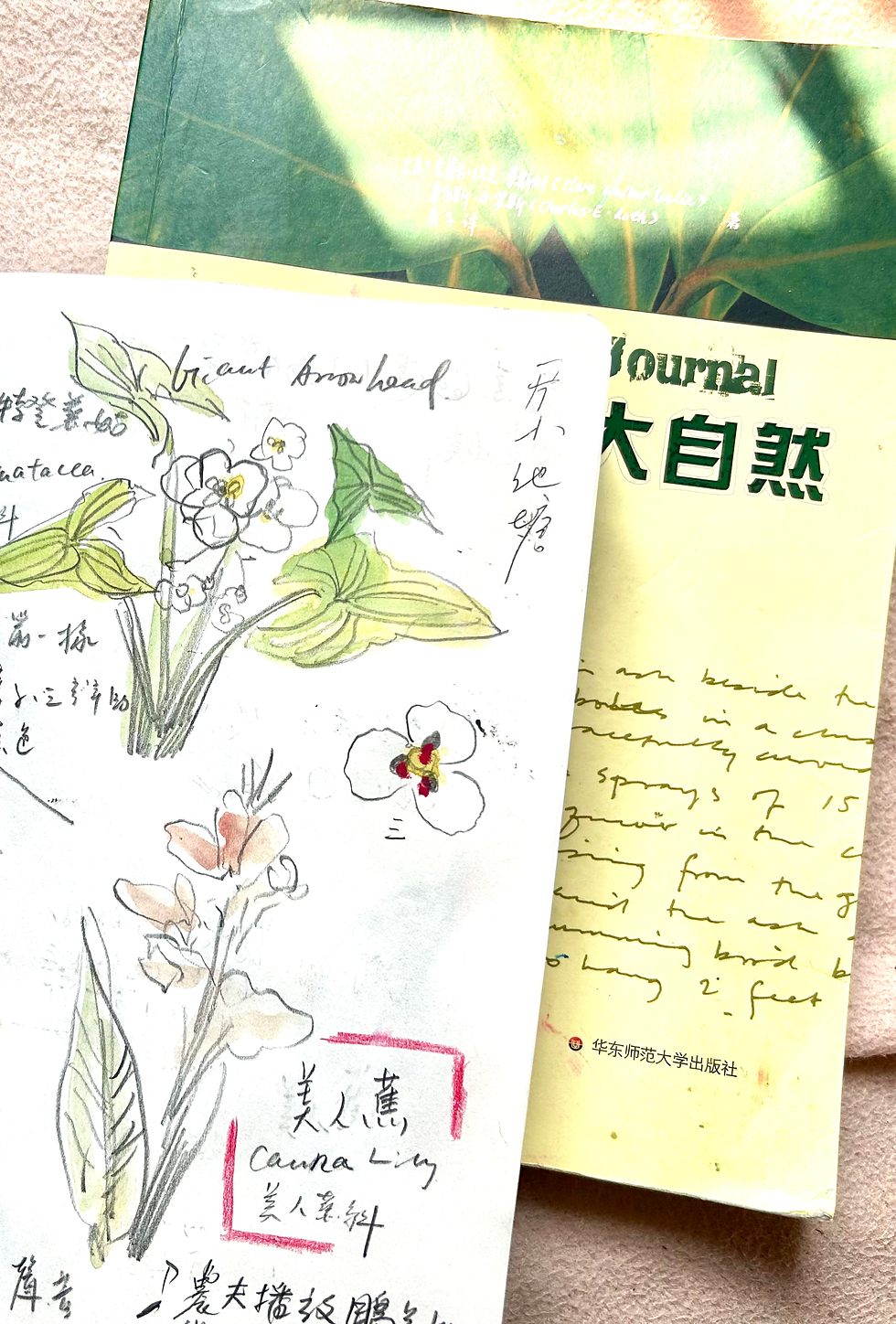
Nature Journaling: A Complete Guide Nature journaling is a creative, scientific practice of recording observations of the natural world using words, drawings, numbers, and sensory details. It’s a blend of art, science, and mindfulness that helps people of all ages connect deeply with nature, notice patterns, and nurture curiosity.
🧰 What Tools to Prepare You don’t need fancy gear—start simple and build as you go:
Essential Tools
Notebook/sketchbook: Unlined, thick paper (A5/A6) works best; wirebound for easy folding - Writing tools: Pencils (HB/2B), waterproof fine-tip pens, eraser, sharpener
Coloring: Colored pencils, small watercolor set + water brush (optional)
Extras: Ruler, magnifying glass, glue stick (for pressed leaves/flowers), lightweight bag to carry supplies
DIY Options
Recycled paper + cardboard cover (bound with twine/ribbon)
Loose pages in a binder (for easy organization)
🔍 What to Observe Focus on sensory, detailed, and curious observations—no subject is too small:
1. Living Things
Plants: Leaves (shape, texture, veins), flowers (petals, color, scent), bark, seeds, growth stages (bud → bloom → fruit)
Animals: Birds (calls, flight, behavior), insects (movement, pollination), mammals (tracks, nests), tiny creatures (under logs/rocks)
Interactions: Pollination, predator-prey, symbiosis (e.g., bees + flowers)
2. Environment & Weather - Sky: Cloud types, sun/moon phases, sunrise/sunset colors - Weather: Temperature, wind, rain, humidity, seasonal changes - Habitats: Micro-worlds (moss, soil), water (streams, ponds), land (rocks, soil)
3. Sensory Details -
Sight: Colors, shapes, patterns, movement
Sound: Bird calls, rustling leaves, water flow, insect buzz
Touch: Bark texture, leaf softness, soil coolness
Smell: Pine, wet earth, flower fragrance
Taste (safe/ethical only): Wild berries, mint (with adult guidance)
✍️ What to Write & Draw Combine facts, questions, art, and reflection
no rules, just authenticity:
Writing Basics:
Date, time, location, weather (e.g., “March 18, 2026 | 10 AM | Park | Sunny, 18°C”)
- Observations:
“I notice 5 yellow dandelions with jagged leaves; a bee lands on one for 10 seconds”
- Questions:
“I wonder why the bee chooses this flower? How do dandelions spread seeds?”
- Reflections:
“It reminds me of summer; I feel calm watching the bee move slowly”
- Data:
Counts (number of birds), measurements (leaf length: 8cm), lists (types of trees) ### Drawing - Quick sketches:
Outline of a flower, bird silhouette, leaf shape (no need for perfection!)
- Details: Close-ups of veins, insect wings, bark patterns
- Creative additions:
Maps of your spot, texture rubbings (leaf/bark), pressed specimens
- Labels:
Name parts (petal, stem, antenna) for clarity
👨👩👧👦 How Parents & Educators Assist Children Guide, don’t control—nurture curiosity and independence:
1. Model the Practice
- Keep your own nature journal and share entries (e.g., “Look, I drew this oak leaf—notice its lobes!”)
- Wonder aloud: “I wonder why this mushroom grows only here?” to spark questions.
2. Keep It Simple & Fun
- Start with 15–30 minute sessions (consistency > length)
- Use prompts: “I notice… I wonder… It reminds me of…” (John Muir Laws framework)
- Let kids choose what to observe/draw—no “right” subject.
3. Support, Don’t Correct
- Praise effort/curiosity, not skill: “I love how you noticed the tiny ant trail!”
- Help with identification (field guides, apps like Seek/iNaturalist) but let kids lead research
- Create a “private corner” in journals for feelings (no adult checking).
4. Extend Learning
- Turn questions into research: “Let’s look up why bees like dandelions later!”
- Share entries: Family walks, classroom presentations to celebrate discoveries.
📚 Collect First, Research Later Follow this cycle for meaningful learning:
1. Collect: On-site, record raw observations (draw, write, count) without overthinking
2. Reflect: Later, review entries—note patterns, unanswered questions
3. Research: Use field guides, books, or apps to answer “I wonder…” questions
4. Add to journal: Write findings, draw new details, update observations
🌟 Benefits for Children (From Nature Journaling Principles) Nature journaling transforms kids into curious scientists, creative artists, and mindful observers:
1. Cognitive Skills
- Sharpens observation (noticing tiny details missed at a glance)
- Builds critical thinking (asking questions, connecting patterns)
- Boosts memory (drawing/writing reinforces learning better than photos alone)
- Expands vocabulary (describing textures, colors, behaviors)
2. Emotional & Social Well-Being
- Reduces stress/anxiety (outdoor time + creative expression = calm)
- Fosters mindfulness (slowing down to be present in nature)
- Builds confidence (creating something unique, mastering new skills)
- Strengthens family/community bonds (shared journaling adventures)
3. Scientific & Creative Growth
- Nurtures scientific thinking (recording data, testing hypotheses)
- Unleashes creativity (drawing, writing poetry, designing journal pages)
- Develops empathy (caring for nature and living things)
- Creates a lifelong habit of wonder and connection with the outdoors
留言